Guided seminar
Concepts, demonstrations, discussion and hospital pharmacy cases.


Develop the capabilities to use Generative AI in hospital pharmacy practice, research, education and medicines management.
An eight-week programme for hospital pharmacists who want to integrate AI into clinical practice and research safely, critically and through practical application.
Participants apply AI to pharmaceutical validation, medication review, reconciliation, pharmacovigilance, research and management. Every week links a seminar to a hands-on lab and a deliverable that contributes to the final project.
The programme builds sufficient technical understanding and converts it into useful tools, processes and decisions for hospital pharmacy.
Tools are reviewed for every cohort so the programme stays current and relevant.
AI history and evolution, machine learning, deep learning, language models, context, hallucinations, multimodality, prompting and first hospital use cases.
Systematic literature search, evidence synthesis, study comparison, citation validation and responsible use of research agents.
Prompt and context engineering, clinical documentation, data analysis, patient communication and specialist prompt toolkits.
Assistants for protocols, validation, reconciliation, interactions and dose adjustment, with explicit boundaries and safety-focused testing.
Complex pharmacotherapy cases and no-code prototypes for calculators, dashboards and alert systems.
Integration with productivity, data and knowledge environments; workflow automation and tool selection by risk, value and governance.
Educational material for professionals and patients across text, image, audio and video, with clinical review and quality criteria.
Project presentation, impact assessment, ethical and regulatory framework, implementation plan and community of practice.
Every block combines understanding, experimentation and transfer into professional work.
Concepts, demonstrations, discussion and hospital pharmacy cases.
Hands-on work with current tools, synthetic data and professional situations.
A viable solution to a real challenge, developed with guidance and presented at the end.
Assessment focuses on work produced during the programme and the ability to turn it into a defensible implementation.
No programming experience is required. Curiosity, professional judgement and a willingness to experiment are essential.
Specialist pharmacists, clinical pharmacists and pharmaceutical care leads.
Professionals working in research, pharmacovigilance, quality, safety and medicines management.
Descriptive statistics, basic research methodology and familiarity with digital tools.
Programme director Consuelo Verdú leads a team that includes Dr Javier Mendoza as medical advisor and specialists linked to the programme's practical challenges.
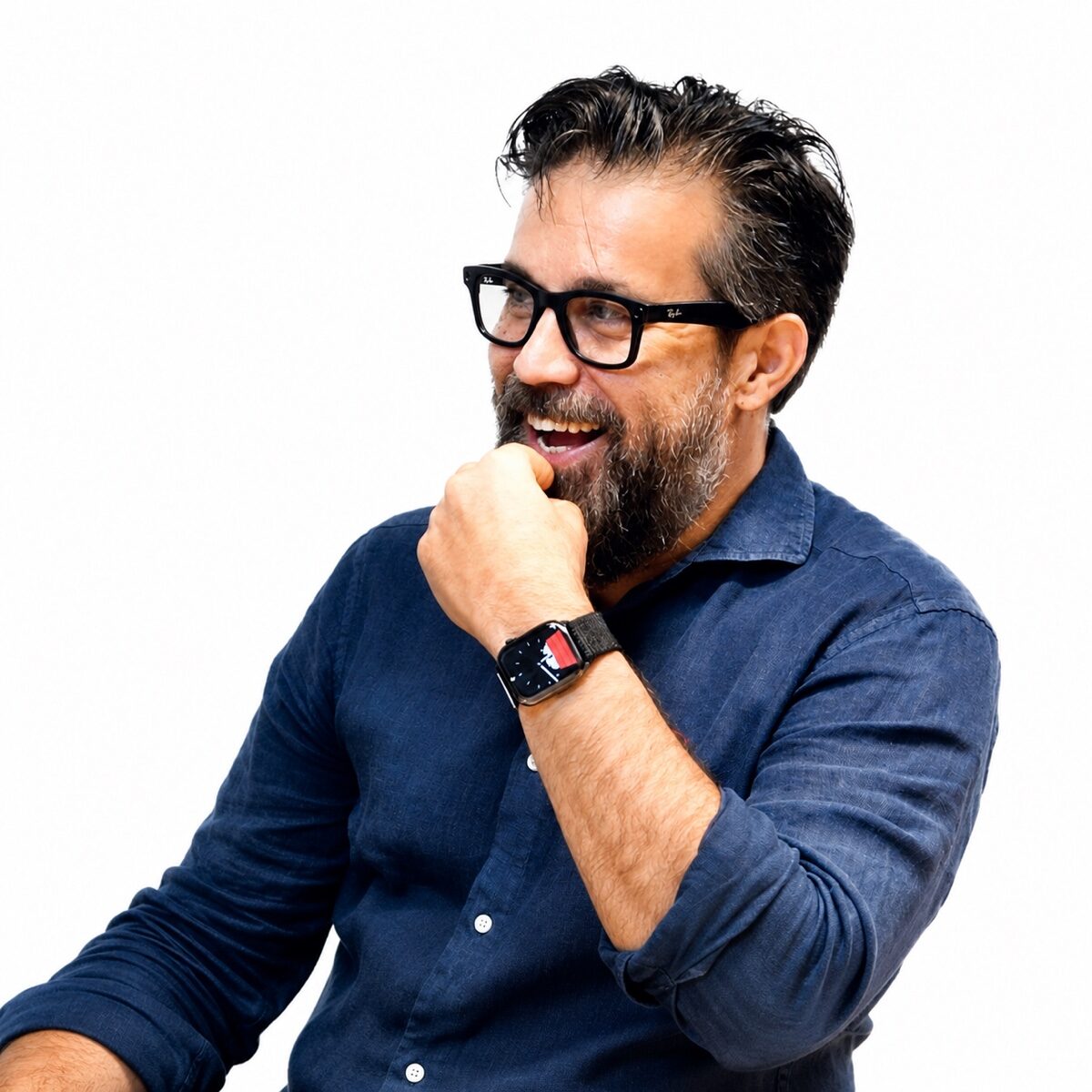
Corporate innovation, AI and Lean Startup. Telecommunications engineer and Executive MBA.
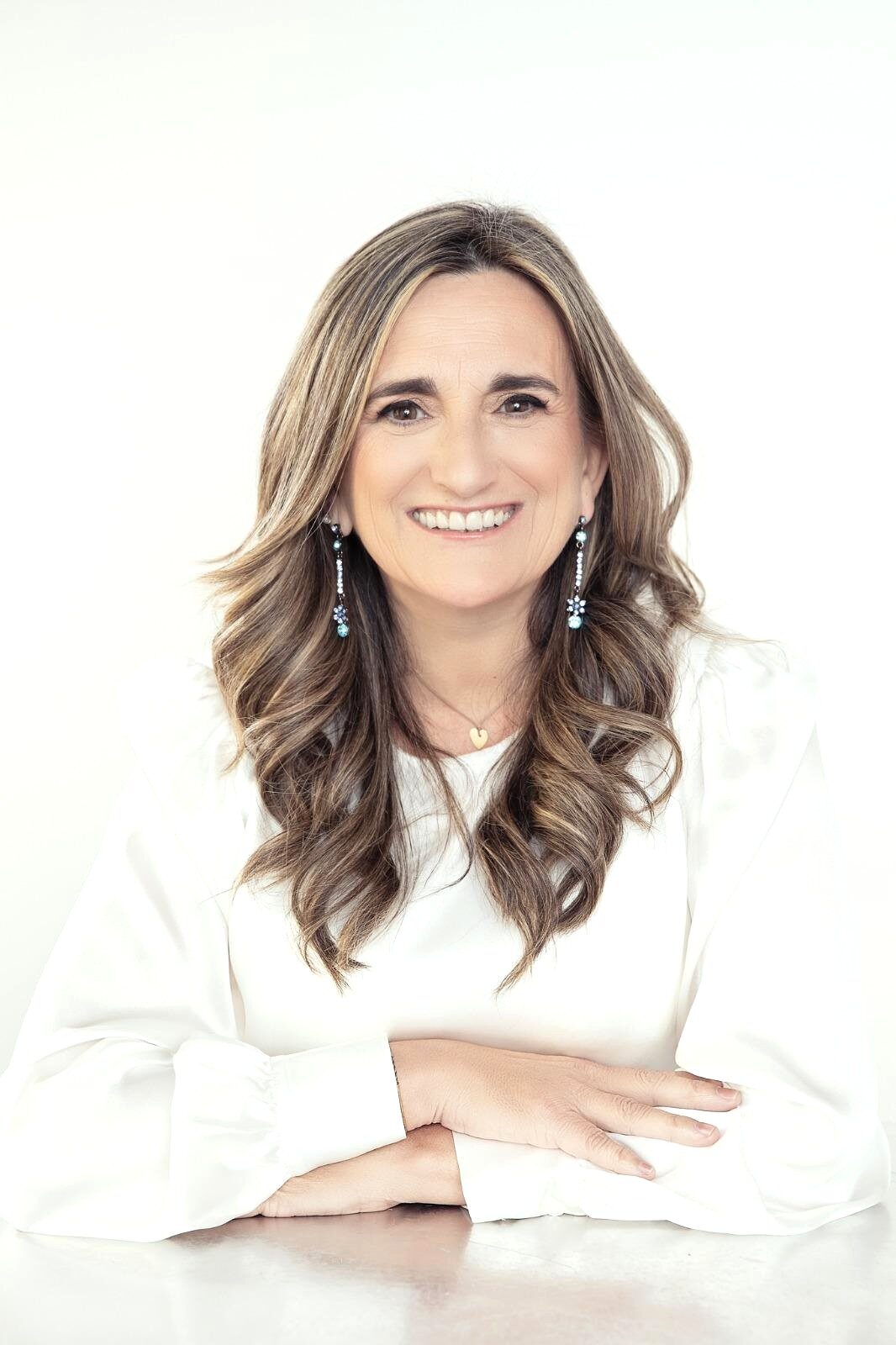
Programme director. Innovation, creativity and transformation. Economist, ESADE MBA and educator.
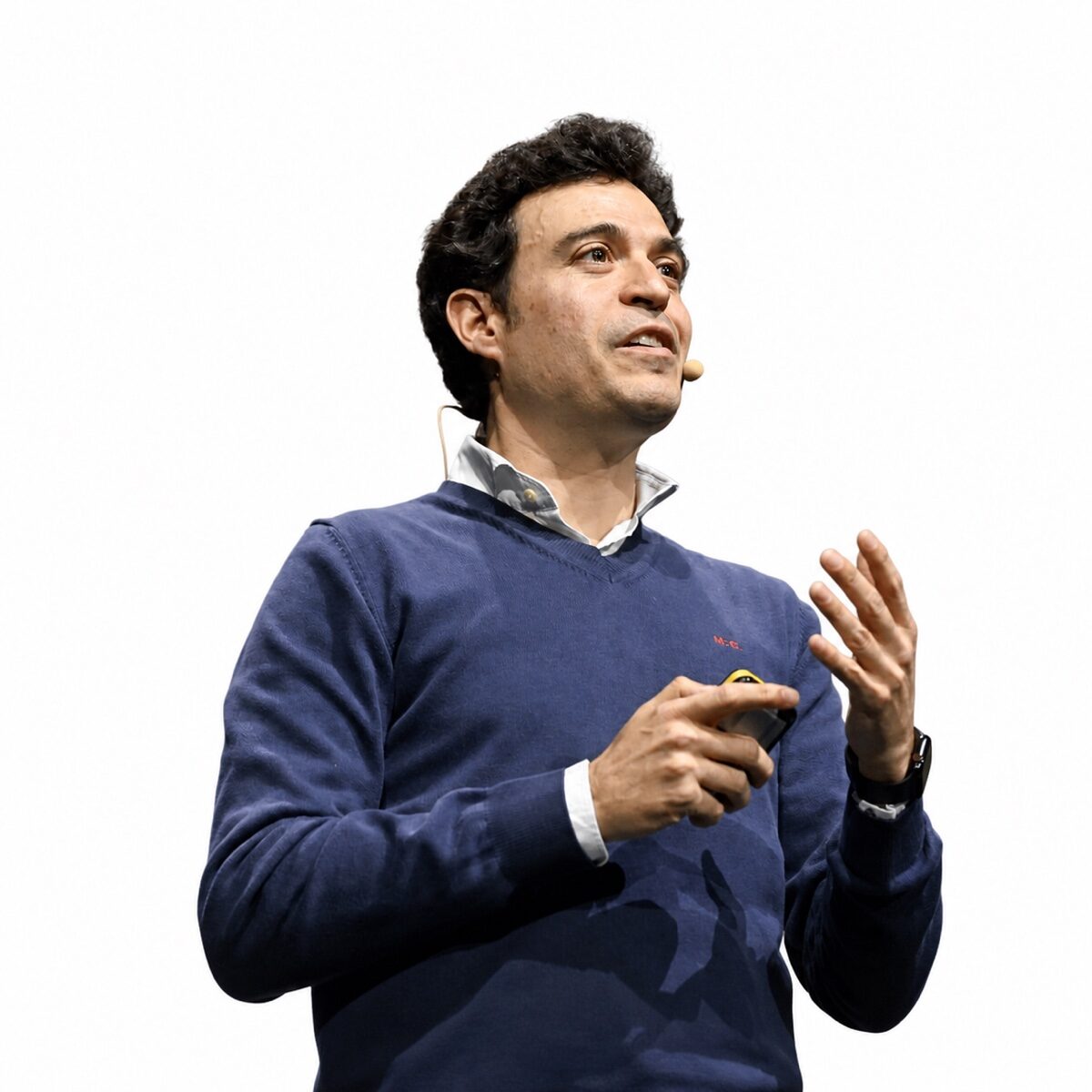
Entrepreneur, mentor and university lecturer specialising in technology and AI.
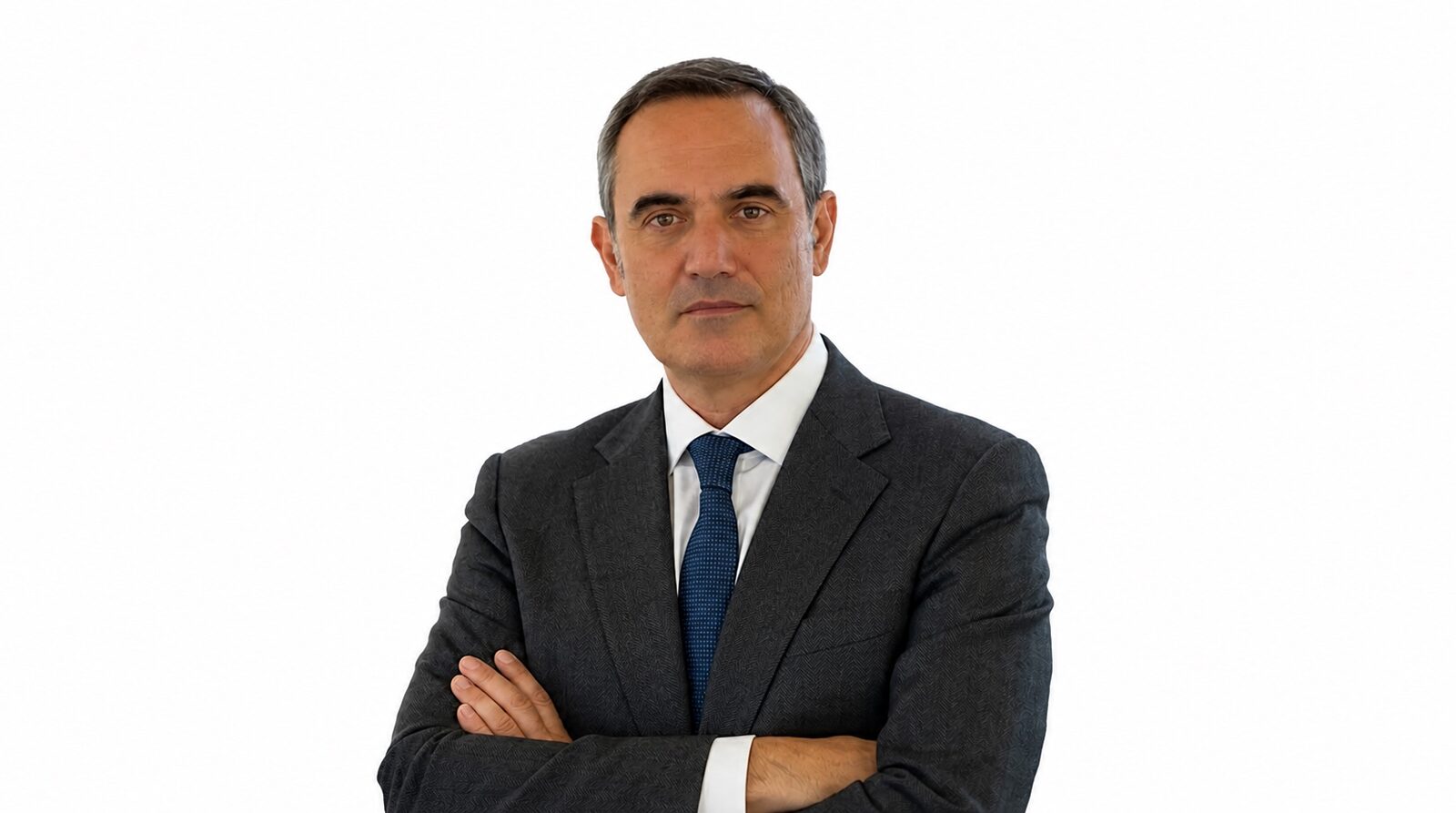
Medical advisor. Gastroenterologist with expertise in digital health and clinical AI.
Telecommunications engineer with training in applied health AI, transformation and innovation.
We tailor cases, schedule, tools and depth to the needs of the group.